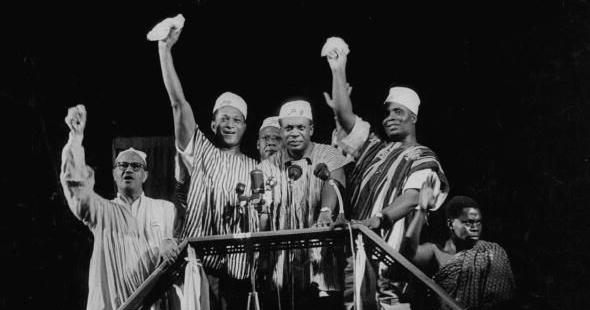
Ghana achieved independence on the 6th of March, 1957, through a blend of political activism, diplomatic negotiations, and peaceful protests.
This pivotal event signaled the end of colonial rule in Ghana and played a crucial role in Africa’s broader decolonization movement. Kwame Nkrumah, a leading figure in the independence struggle, went on to become Ghana’s inaugural Prime Minister and subsequently its first President.
Ghana’s independence laid the groundwork for self-governance and the growth of a sovereign nation. Each year, March 6th marks Ghana’s Independence Day, commemorating this milestone. The country’s path to independence was driven by the emergence of nationalist movements and intense political activism.
Key figures like Kwame Nkrumah championed self-determination and an end to colonial rule. The establishment of parties like the United Gold Coast Convention (UGCC) in 1947 marked a major milestone in the organized independence movement. Initially, the UGCC sought constitutional reforms within British colonial rule, but when their demands went unmet, the party split, and Nkrumah formed the Convention People’s Party (CPP) in 1949, pushing for full independence. Peaceful protests and demonstrations emerged as a potent force in the fight for freedom.
The people of the Gold Coast (now Ghana) used strikes, boycotts, and mass rallies to demand self-rule. The 1948 Accra riots and subsequent unrest prompted British authorities to reevaluate their stance, drawing international attention to the Gold Coast’s independence movement. In response, the British established the Watson Commission in 1948 to investigate and recommend next steps. The commission’s report recognized the desire for self-government, leading to constitutional reforms. In 1951, the British introduced a new constitution allowing for limited self-government and an elected assembly. Kwame Nkrumah’s CPP won the elections, and he became Prime Minister in 1952, marking a significant milestone in Ghana’s journey to independence.
The final steps towards independence were completed, and on March 6, 1957, Ghana became the first sub-Saharan African country to break free from colonial rule. Kwame Nkrumah took office as the nation’s first Prime Minister and later became its first President. Ghana’s triumphant fight for independence inspired other African nations in their pursuit of self-determination, contributing to the wider decolonization movement sweeping the continent.

69 years after independence, Ghana is thriving with remarkable progress, and its brightest days are ahead! The nation has made tremendous strides, and its democratic institutions are stronger than ever, with endless potential for growth. Ghanaians are on the cusp of realizing the full economic benefits of independence, with exciting opportunities unfolding every day. The energy and creativity of Ghana’s youth are driving forces behind the nation’s upward trajectory, and with the right support, they’ll achieve greatness. Ghana’s future is bright, and visionary leadership is propelling the nation forward – the younger generation is ready to take the reins and soar.
Post-independence, Ghana navigated a challenging period of coups, military rule, and mismanagement. It took years after President Kwame Nkrumah for a leader to emerge who could steer the nation towards stability. Jerry John Rawlings, with his charisma and determination, marked a turning point. Ghana had been a one-party system, but Rawlings championed multi-party democracy, leading to a new constitution in 1992. This ushered in political stability, earning Ghana recognition as Africa’s second most peaceful country. Rawlings’ emergence and reforms transformed Ghana’s political landscape, paving the way for a more stable and democratic future. His legacy continues to shape Ghana’s progress, with the country maintaining its reputation for peace and stability. Ghana’s journey is a testament to the power of determined leadership and the people’s desire for democracy. With this foundation, Ghana is poised for continued growth and development.