Loading...

Ghana’s Cultural Reset: The Revised National Cultural Policy and a New Compact with Diaspora Development Partners

3 Aug, 2026 General

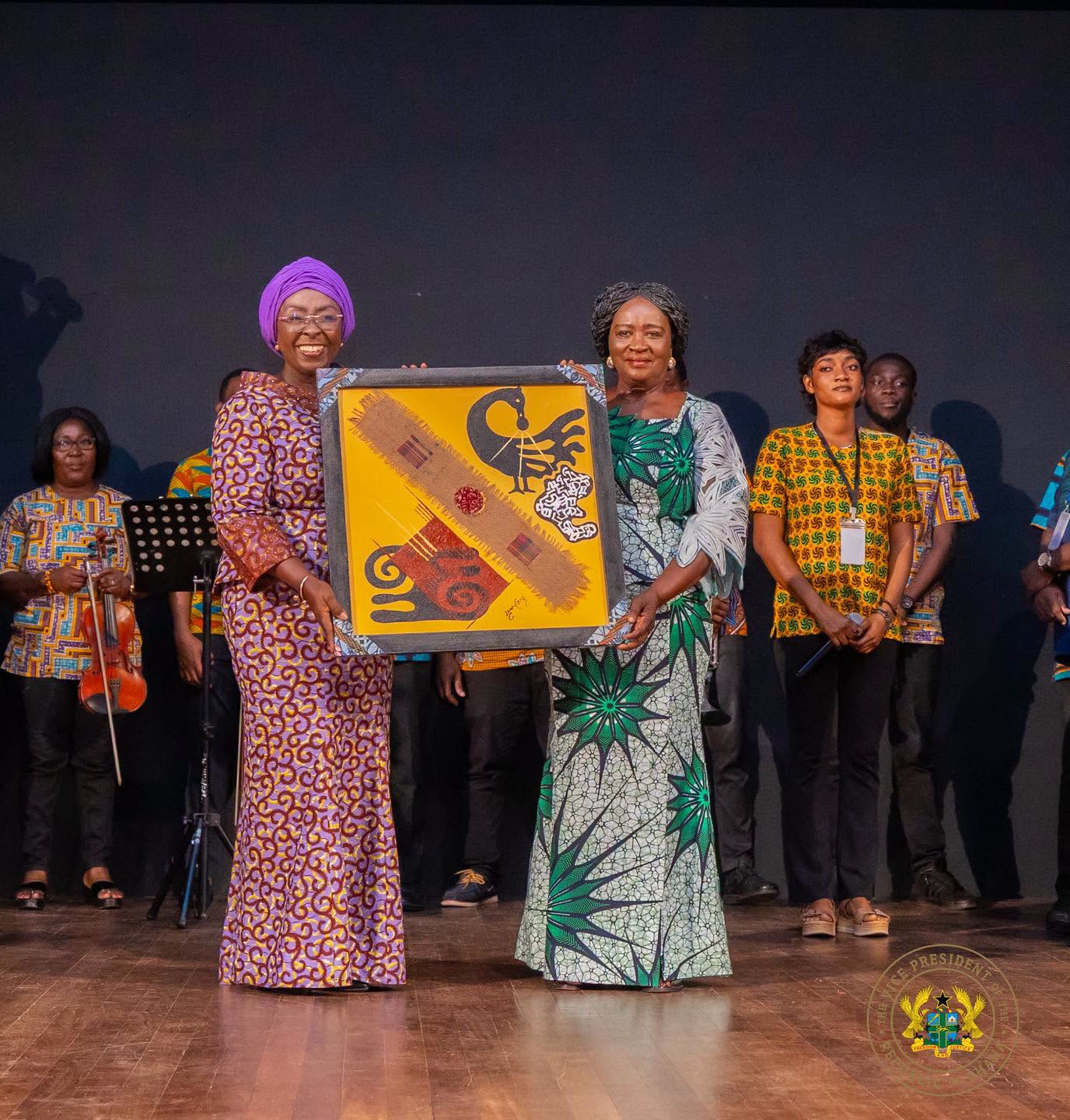
The curtain rose at the National Theatre in Accra not for a play, but for a policy. The Vice President of the Republic of Ghana, Prof. Jane Naana Opoku-Agyemang launched Ghana’s Revised National Cultural Policy, twenty-two (22) years after the 2004 version, declaring it a blueprint to harness Ghana’s rich cultural heritage to drive economic growth, strengthen the creative economy, and empower young people.

For Ghanaians in the diaspora, from Accra to Beijing, this was more than a domestic event. It was an invitation to co-author the next chapter.

Social Artifact to Economic Strategy

The old policy treated culture as identity and heritage. The revised policy treats it as infrastructure.

Drafted with over US$82,000 support from UNESCO’s International Fund for Cultural Diversity (IFCD) and through seven years of regional consultations with chiefs, queen mothers, artists, academics, market women, youth groups and religious leaders, the new document fundamentally reframes culture, where the perception of culture has shifted from a largely social and anthropological concept to a strategic sector capable of driving socio-economic development.

The policy is structured holistically around four pillars:

-Heritage: Protection of tangible, intangible and even underwater cultural heritage. This comes after major wins like the recognition of Kente as a Geographical Indication and the inscription of Highlife on the international heritage register.

-Society: Family and community life, youth and education, disability, ceremonial life and local markets. Culture is linked to everyday livelihoods, from the seamstress sewing kaba, to the caterer, traditional marriages, to the photographer, the drummer, the transport operator, etc.

-Governance: The role of chieftaincy as a development institution, community assets, and the media in cultural promotion and preservation.

-Economy: Sustainable development across publishing, cinema and audiovisual, multimedia, music, fashion, agriculture and tourism. Crucially, it integrates emerging realities, digital creative industries, AI, streaming platforms, cultural tourism and creative hubs.

The policy aligns with the United Nations Sustainable Development Goals and the African Union’s Agenda 2063, positioning culture as a catalyst for inclusive growth, decent jobs and reduced inequality. As the Vice President noted, Culture is not only about celebration, but also about justice, dignity and healing.

What This Means for Development Partners in the Diaspora?

For the diaspora, the revised policy changes the rules of engagement in five critical ways:

-From Remittances to Investment in Intellectual Property

The old model sought funds from the diaspora Ghana, while the new policy seeks their investments in IP. It creates a framework for access to finance for creative entrepreneurs, promotion of creative hubs, and stronger protection of Ghanaian cultural products. For a Ghanaian-British fashion designer in Manchester or a Ghanaian-Chinese creative entrepreneur in Guangzhou, this means your Adinkra-inspired designs, your Afrobeats catalogue, your documentary on Next Steps Conference can now be registered, protected and monetised under a coherent national framework.

-A Legal Framework for Diaspora Co-Production

The policy explicitly promotes investment in Ghanaian cultural products and integration of culture into trade frameworks. This opens the door for structured co-productions – Ghana-US film treaties, Ghana-UK music publishing splits, Ghana-China animation partnerships, with government backing rather than bureaucratic hurdles.

-Cultural Diplomacy as a Diaspora Mandate

Ghana’s recent success at the UN, securing a landmark resolution recognising the transatlantic slave trade as a grievous crime, was cited at the launch as an example of culture as soft power. The diaspora is now formally recognised as cultural ambassadors and development partners, not just beneficiaries of programmes like Year of Return, Beyond the Return and December in GH. The policy gives them a seat at the table in policy validation and implementation.

-Youth and Tech: Where Diaspora Advantage Lies

The policy places renewed emphasis on technological advancement and digital creative industries. This is where diaspora youth, fluent in TikTok, YouTube, AI music tools, digital art have a comparative advantage. It calls for building creative hubs and digital infrastructure where diaspora tech skills can mentor home-based talents.

-Heritage Preservation Needs Diaspora Resources

The policy acknowledges threats to languages, sacred sites and traditional knowledge. Diaspora partners can support documentation, archiving and language preservation, from funding community museums to digitising oral histories in their hometowns.

A New Social Contract

For decades, Ghana’s engagement with its diaspora has been emotional, messages of “Come home.” The Revised National Cultural Policy makes it institutional, “Come build with us.”

It signals that Ghana no longer sees culture as what we display for tourists, but as what we use to build an economy. And it tells its millions of citizens abroad that they are not external donors, but internal stakeholders in that economy.

For the development partner in the diaspora reading this policy in Beijing, Guangzhou, Houston, or Hamburg, the question is no longer “How can I help preserve Ghanaian culture?” The policy reframes it: “How can we jointly invest in Ghanaian culture as a viable, profitable and sustainable industry for the next 50 years?”             

End.

Written by: Moses Sackie, Head of Information, Embassy of Ghana, People’s Republic of China.
The curtain rose at the National Theatre in Accra not for a play, but for a policy. The Vice President of the Republic of Ghana, Prof. Jane Naana Opoku-Agyemang launched Ghana’s Revised National Cultural Policy, twenty-two (22) years after the 2004 version, declaring it a blueprint to harness Ghana’s rich cultural heritage to drive economic growth, strengthen the creative economy, and empower young people.

For Ghanaians in the diaspora, from Accra to Beijing, this was more than a domestic event. It was an invitation to co-author the next chapter.

Social Artifact to Economic Strategy

The old policy treated culture as identity and heritage. The revised policy treats it as infrastructure.

Drafted with over US$82,000 support from UNESCO’s International Fund for Cultural Diversity (IFCD) and through seven years of regional consultations with chiefs, queen mothers, artists, academics, market women, youth groups and religious leaders, the new document fundamentally reframes culture, where the perception of culture has shifted from a largely social and anthropological concept to a strategic sector capable of driving socio-economic development.

The policy is structured holistically around four pillars:

-Heritage: Protection of tangible, intangible and even underwater cultural heritage. This comes after major wins like the recognition of Kente as a Geographical Indication and the inscription of Highlife on the international heritage register.

-Society: Family and community life, youth and education, disability, ceremonial life and local markets. Culture is linked to everyday livelihoods, from the seamstress sewing kaba, to the caterer, traditional marriages, to the photographer, the drummer, the transport operator, etc.

-Governance: The role of chieftaincy as a development institution, community assets, and the media in cultural promotion and preservation.

-Economy: Sustainable development across publishing, cinema and audiovisual, multimedia, music, fashion, agriculture and tourism. Crucially, it integrates emerging realities, digital creative industries, AI, streaming platforms, cultural tourism and creative hubs.

The policy aligns with the United Nations Sustainable Development Goals and the African Union’s Agenda 2063, positioning culture as a catalyst for inclusive growth, decent jobs and reduced inequality. As the Vice President noted, Culture is not only about celebration, but also about justice, dignity and healing.

What This Means for Development Partners in the Diaspora?

For the diaspora, the revised policy changes the rules of engagement in five critical ways:

-From Remittances to Investment in Intellectual Property

The old model sought funds from the diaspora Ghana, while the new policy seeks their investments in IP. It creates a framework for access to finance for creative entrepreneurs, promotion of creative hubs, and stronger protection of Ghanaian cultural products. For a Ghanaian-British fashion designer in Manchester or a Ghanaian-Chinese creative entrepreneur in Guangzhou, this means your Adinkra-inspired designs, your Afrobeats catalogue, your documentary on Next Steps Conference can now be registered, protected and monetised under a coherent national framework.

-A Legal Framework for Diaspora Co-Production

The policy explicitly promotes investment in Ghanaian cultural products and integration of culture into trade frameworks. This opens the door for structured co-productions – Ghana-US film treaties, Ghana-UK music publishing splits, Ghana-China animation partnerships, with government backing rather than bureaucratic hurdles.

-Cultural Diplomacy as a Diaspora Mandate

Ghana’s recent success at the UN, securing a landmark resolution recognising the transatlantic slave trade as a grievous crime, was cited at the launch as an example of culture as soft power. The diaspora is now formally recognised as cultural ambassadors and development partners, not just beneficiaries of programmes like Year of Return, Beyond the Return and December in GH. The policy gives them a seat at the table in policy validation and implementation.

-Youth and Tech: Where Diaspora Advantage Lies

The policy places renewed emphasis on technological advancement and digital creative industries. This is where diaspora youth, fluent in TikTok, YouTube, AI music tools, digital art have a comparative advantage. It calls for building creative hubs and digital infrastructure where diaspora tech skills can mentor home-based talents.

-Heritage Preservation Needs Diaspora Resources

The policy acknowledges threats to languages, sacred sites and traditional knowledge. Diaspora partners can support documentation, archiving and language preservation, from funding community museums to digitising oral histories in their hometowns.

A New Social Contract

For decades, Ghana’s engagement with its diaspora has been emotional, messages of “Come home.” The Revised National Cultural Policy makes it institutional, “Come build with us.”

It signals that Ghana no longer sees culture as what we display for tourists, but as what we use to build an economy. And it tells its millions of citizens abroad that they are not external donors, but internal stakeholders in that economy.

For the development partner in the diaspora reading this policy in Beijing, Guangzhou, Houston, or Hamburg, the question is no longer “How can I help preserve Ghanaian culture?” The policy reframes it: “How can we jointly invest in Ghanaian culture as a viable, profitable and sustainable industry for the next 50 years?”             

End.

Written by: Moses Sackie, Head of Information, Embassy of Ghana, People’s Republic of China.
Translate »
x